
Spring Fix or New Door? How to Make the Replacement Case Without Sounding Like a Sales Pitch
The line between a legitimate repair and a legitimate upsell is thin, and customers can usually tell the difference between an honest assessment and a script. Here's how operators build trust into the recommendation instead of eroding it.
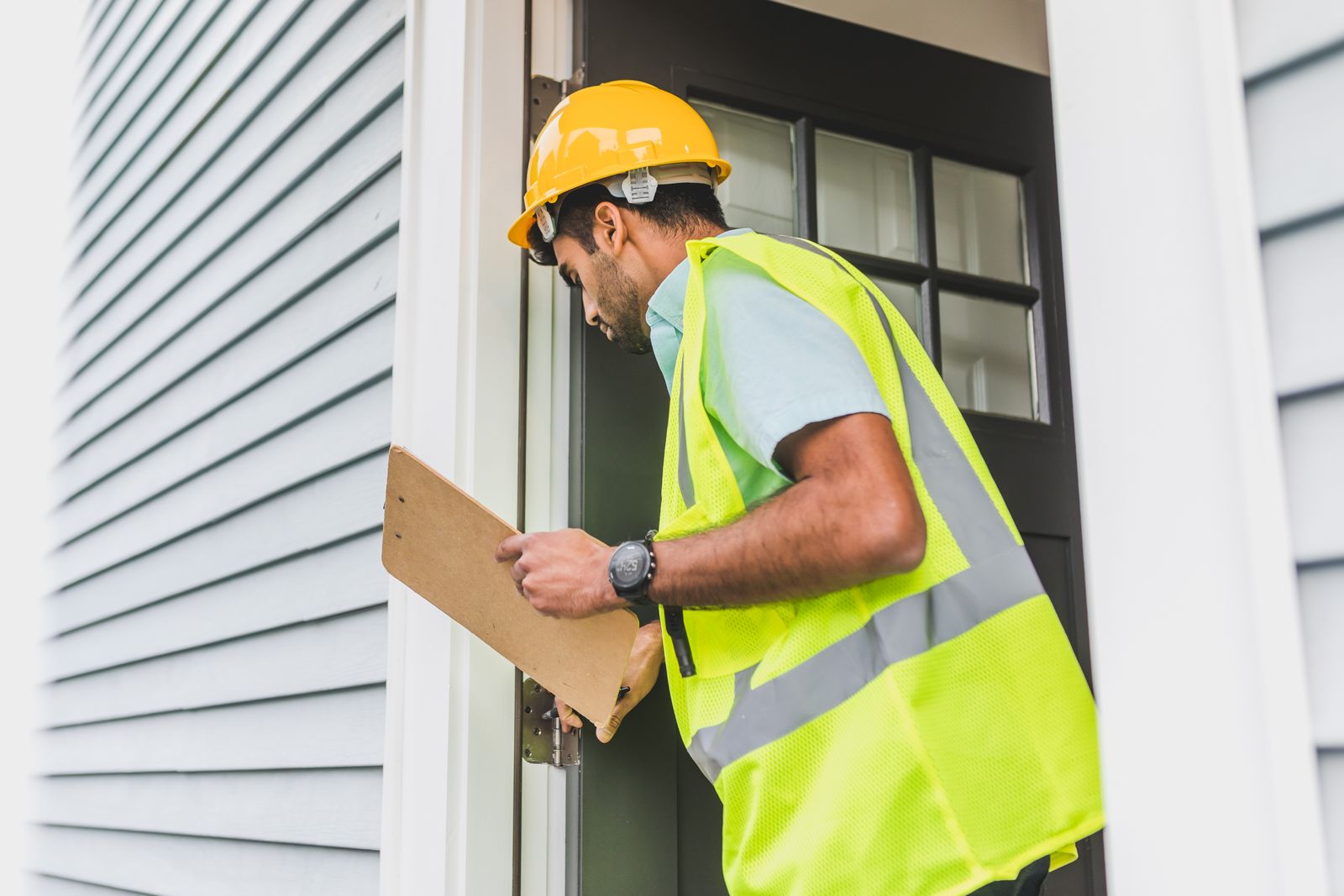
Every garage door tech eventually stands in front of a door that could plausibly go either way. The spring is broken, but the door itself is fifteen years old, the panels are dented, the insulation is shot, and the opener is the original unit. A repair will get the door moving again. It will not address any of the rest of it. The tech has to decide, in real time, whether to fix what's broken and leave, or to walk the homeowner through why replacement might be the better call.
That decision, made well or made badly, has more to do with a shop's long-term reputation than almost anything else that happens on a service call. Get it right and the customer trusts the recommendation, whichever way it goes. Get it wrong, pushing a replacement a door didn't need, or quietly patching a door that was genuinely at the end of its life, and the customer notices, even if not immediately.
Roughly how many inbound calls do you take in a week?
Tap to start. 5 quick questions, then see your monthly number.
What actually distinguishes a repair call from a replacement call
The honest version of this decision isn't about age alone. A well-maintained fifteen-year-old door with a broken spring is usually still a repair. A ten-year-old door with a cracked panel, a rusted track, an opener that's failed twice already, and hardware that's been patched more than once is a different conversation, not because of the calendar but because of the accumulation of separate failures that each cost money to fix individually and add up to more than a new door would.
Operators who handle this well tend to separate the diagnosis from the recommendation. The diagnosis is factual: this spring is broken, this track is bent, this panel is cracked. The recommendation is a judgment call the homeowner is entitled to weigh in on, not a verdict handed down. Framing it as "here's what's actually happening with the door, and here's why a repair might just delay the same conversation" tends to land very differently than "you should really just replace the whole thing."
A customer can tell the difference between being informed and being upsold. The words are often similar. The intent behind them isn't, and homeowners are better at detecting that gap than most operators give them credit for.
Documentation does more work than persuasion
The operators with the best track record on replacement conversations lean heavily on documentation rather than argument. Photos of the cracked panel, the corroded spring, the frayed cable, sent to the homeowner alongside the estimate, let the customer arrive at their own conclusion instead of having to simply trust a verbal assessment from someone standing in their driveway. It also protects the tech: a documented, photographed case for replacement is a defensible one if a homeowner gets a second opinion, which happens more often on bigger-ticket decisions.
A composite pattern worth naming: shops that build photo documentation into every estimate over a certain dollar threshold report fewer customers pushing back on replacement recommendations and fewer disputes down the line about whether the recommendation was warranted.
Present the repair option even when replacement is the better call
Counterintuitively, operators who present a genuine repair-only option alongside the replacement recommendation, even when they believe replacement is the smarter long-term move, report higher trust scores and more referral business than operators who present replacement as the only viable path. Homeowners are more likely to accept a bigger recommendation from someone who's clearly not trying to foreclose every cheaper option.
That doesn't mean padding the repair estimate to make it look unattractive by comparison, a tactic homeowners tend to catch and remember unfavorably. It means being straightforward that a repair is available, what it will and won't fix, and letting the homeowner make an informed call with real numbers in front of them rather than a manufactured comparison.
The financial backdrop is genuinely on the replacement side right now
Independent of any single shop's sales approach, the broader numbers around garage door replacement have shifted in favor of the upgrade case over the past several years. National cost-versus-value data has repeatedly ranked garage door replacement near the top of all home-improvement projects for return on investment, well ahead of categories like kitchen or bathroom remodels. That's a legitimate, non-manipulative data point to share with a homeowner who's on the fence, not because every door needs replacing, but because when replacement is genuinely warranted, it's one of the few home-improvement recommendations a tech can make with real financial backing behind it.
Where operators lose trust
The failure mode that costs shops the most long-term business isn't an occasional missed replacement call in either direction. It's a pattern, whether real or perceived, of always finding a reason the door needs to be replaced rather than repaired. Homeowners talk to neighbors. A shop that develops a reputation for defaulting to the bigger ticket, regardless of what the door actually needed, loses the trust that made the upsell possible in the first place, and loses it faster than it was built.
The operators who get more replacement business over time, not less, tend to be the ones who are demonstrably willing to say "this one's just a repair" often enough that when they do recommend replacement, the homeowner believes them.
Most shops lose more booked work at the phone than they realize. See your monthly number.
See my number →